

Listening - Education
"Pastoral care is fundamental in building trust and providing emotional support, essential for students’ overall development."
Sir Ken Robinson
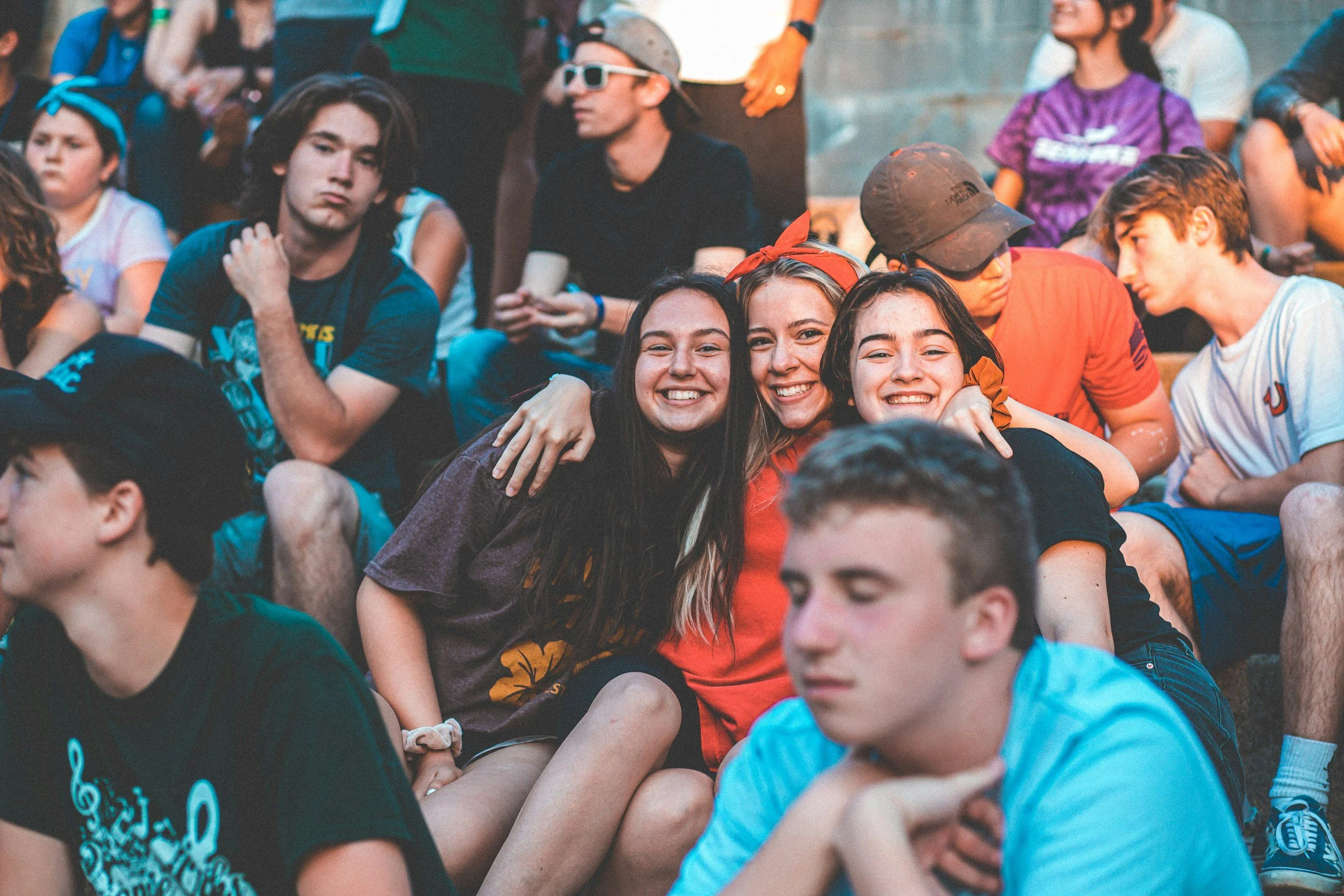
Today, social media and AI often increase feelings of isolation and loneliness, with statistics showing under-25s are the loneliest age group. Universities, colleges, and schools face declining face-to-face interactions as pupils bury their faces in their phones.
How can educational institutions and campuses rebuild that sense of connection and belonging? It starts with creating spaces for genuine connection—sharing stories, traditions, and experiences. Engaging students in conversations about their lives, interests and cultural background helps strengthen emotional bonds and build empathy for others. When students listen and are truly heard, it deepens their sense of connection and belonging, making campuses and schools feel more like home. "Home is not a place, it's a feeling." — Cecelia Ahern
The Listening Projects does just that—bringing pupils together through the simple act of listening. By sharing stories and caring, it rebuilds understanding and community. As social media and AI contribute to isolation, real conversations and personal interactions become more vital than ever.
#beheard #beunderstood #belong
What the stats tell us.
Young people in Australia report high and rising loneliness and distress. About 62% of 12–25 year‑olds say they feel “left out” often or some of the time (headspace National Youth Mental Health Survey, 2022: https://headspace.org.au/our-organisation/media-releases/two-thirds-of-young-people-feel-lonely/).
Mission Australia found ~1 in 5 young people (15–19) feel lonely most or all of the time, with 22% reporting high psychological distress (Youth Survey 2024: https://www.missionaustralia.com.au/what-we-do/evidence-impact-and-advocacy/research/youth-survey/youth-survey-reports/youth-survey-2024/).
Longitudinal HILDA analyses show distress is highest among 15–24 year‑olds, with large increases since 2011 (HILDA/Melbourne Institute: https://melbourneinstitute.unimelb.edu.au/hilda).
National reviews link loneliness and social isolation to poorer mental health and note younger cohorts experience higher and more volatile loneliness (AIHW: https://www.aihw.gov.au/mental-health/topic-areas/social-isolation-and-loneliness).
School data also show around one in five 15‑year‑olds report low school belonging, which correlates with greater anxiety and disengagement (PISA/OECD: https://www.oecd.org/en/publications/pisa-2018-results-volume-iii_acd78851-en/full-report/component-15.html).
Collectively, these findings underline the urgent need to build social cohesion, resilient peer networks and everyday listening supports in schools and communities
Who are you?
Maybe you’re apart of a wellbeing team at a primary school or a high school aiming to foster stronger connections among students. With under-25s feeling the highest levels of loneliness—up to 40% reporting frequent loneliness—there’s an urgent need to reconnect. The Listening Projects can help by gathering students to share their stories, meaningful, life-changing experiences that create genuine bonds. Long term group listening Stories that spark “me too” moments, reminding students they’re not alone. These shared stories can be the foundation of stronger communities, empathy, and support—all starting from personal, face-to-face interactions. The Listening Projects acts as a catalyst to rebuild those vital connections.
Let’s chat.